What Sets Us Apart
Ever watched your kitchen sink drain so slowly you could make a coffee while waiting? You’ll use a snake, but it keeps on repeating and getting annoying.
That slow drain doesn’t just show up out of nowhere. They’re usually the first clue that something in your plumbing needs attention. It builds slowly, hidden in the walls or under the floor, until it becomes a problem you can’t ignore.
So if your drains have been slowing down lately, don’t shrug it off. A tiny delay in draining can be the first step of problems that quickly become expensive, stressful, and urgent. Read on to discover the real risk that a slow drain may be warning you about.
A Slow Drain Means the Inside of Your Pipes Is Shrinking
When a drain slows down, it’s usually because the inside of the pipe is getting tighter without you realizing it. A thin layer of slime made of soap, bacteria, and leftover grime starts sticking to the walls. As it thickens, it grabs onto anything that passes by, turning a small layer into a growing choke point.
For kitchen drains, when fats or oils cool down, they turn solid, almost like a waxy layer, and cling to the pipe. Older pipes can also get rough on the inside as they age, which makes it even easier for debris to get stuck. If you have trees outside, tiny roots can sneak into small cracks and spread inside the pipe like a net.
So, a slow drain means something in your pipe is building up, tightening the space, and slowing everything down long before it turns into a full blockage. The good news? A real drain cleaning clears the rubbish out the right way. Some might consider harsh chemicals but it only pushes the problem further down, making things worse later.
The Escalation: From Slow Drain to Sewage Backup
A slow drain doesn’t stay “slow” for long; it moves through stages, and each one gets worse.
Stage 1: You start hearing gurgling or that “glug-glug” sound when someone uses another sink or the washing machine.
Stage 2: Water begins to linger in showers and sinks because the pipe is now too narrow to keep up.
Stage 3: The lowest drains in your home, such as the basement shower, floor drain, laundry drain, start backing up during heavy use.
Stage 4: Everything hits at once. Toilets overflow, tubs fill with dirty water, and in the worst cases, sewage can actually burst out of fixtures. That’s a full black water backup.
At that point, it’s no longer a simple fix. Cleanup means removing soaked drywall, flooring, insulation, and even furniture, all contaminated. And once the mess is cleared, you still need drain repair or a full line replacement to stop it from happening again.
A slow drain is cheap to deal with. A sewage backup? That’s the bill nobody wants.
What You Don’t See: Slab Leaks, Soil Washout, and Foundation Damage
Slow drain may also mean a pipe beneath the concrete slab cracks or wears out, and water begins leaking into the soil long before you see any puddles inside.
On clay soil, the extra moisture makes the ground swell. That pressure pushes the slab upward, leaving you with crooked doors, cracked tiles, or floors that start to lift.
On sandy soil, the water washes dirt away instead, creating empty pockets underground. With nothing supporting it, the slab slowly sinks, and your foundation goes with it.
Most people don’t connect these issues to a slow drain, but the chain reaction often starts there. A quick drain cleaning or a drain camera inspection costs a bit upfront.
Health Risks You Can’t Mop Up: Sewer Gas, Mold, and Pathogens
When a slow drain turns into a backup, the water that comes up isn’t just dirty, it’s “black water,” loaded with bacteria, viruses, and waste. Once it touches drywall, carpet, or wood, those materials will be contaminated, and no amount of mopping will fix it.
And then there’s sewer gas. That rotten-egg smell? It’s hydrogen sulfide, plus methane and ammonia. Even low levels can cause headaches, dizziness, nausea, burning eyes, and breathing problems. The longer it leaks, the worse it gets.
Slow leaks also create perfect conditions for mold, which can start growing within 24–48 hours. If it reaches your HVAC system, those spores spread through every room. All of this often begins with the “harmless” slow drains homeowners ignore instead of getting proper drain cleaning or an inspection by a plumber.
The Insurance Trap: Why “Gradual Damage” Rarely Gets Covered
Most people don’t realize this until they’re standing in a flooded room: insurance usually doesn’t cover problems that build up slowly. If an adjuster sees signs of long-term leaks, rust, soft wood, old mold, or rot, they don’t call it an accident.
They call it “lack of maintenance.” And when that happens, the claim gets denied.
Sewer-backup coverage often has limited provisions that may only cover cleanup and drain repair costs. Ignoring a slow drain can lead to an unexpected bill you’ll be responsible for. So never ignore slow drain.
How Drain Camera Inspection and Professional Drain Cleaning Save You Money
A drain camera inspection lets a plumber use a small camera to check pipes. It shows everything you can’t: slime buildup, hardened grease, roots, rust, cracks, and even sections of pipe that are starting to sag. No guessing. You get real answers.
And this is where most DIY attempts fall apart. Chemicals can burn holes in old pipes. Plunging might punch a small gap through the blockage, but the problem stays and keeps growing.
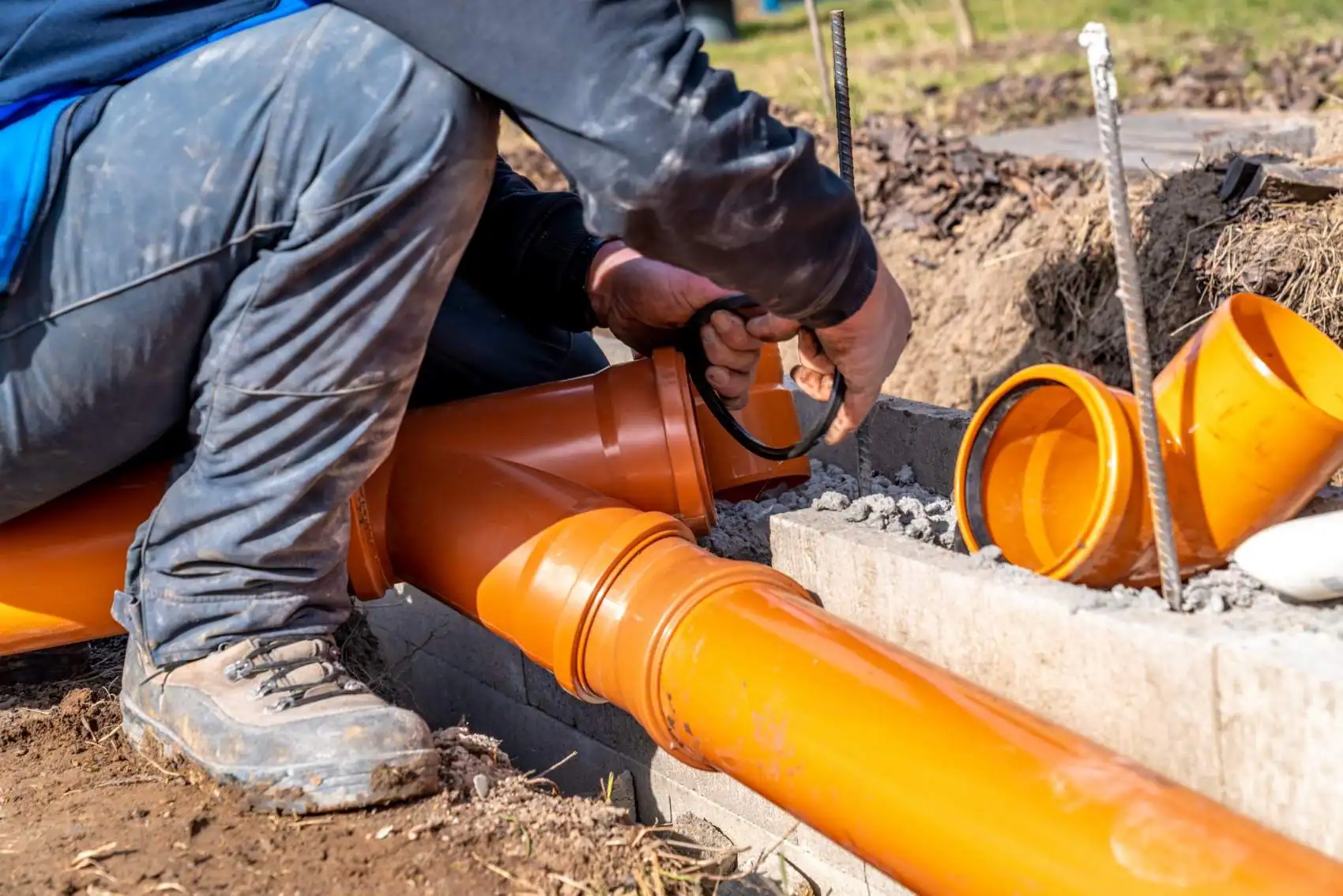
Professional drain cleaning clears the whole pipe the right way. Snaking breaks through clogs, and hydro-jetting washes the walls clean so fatbergs and root balls don’t come back.
If the camera finds a crack or collapses, that’s when drain repair makes more sense than temporary fixes. A small check now can stop a $10,000–$30,000 disaster later.
Call a Plumber Now, Before a Slow Drain Turns Into a Costly Disaster
Don’t wait for the moment the drain stops; that’s the point where the mess, the cost, and the regret hit all at once. If your drains are already slowing, this is the window to prevent the more expensive part.
A plumber can tell you in minutes if you’re dealing with simple buildup or the start of something serious. That one check often saves people from the cleanup, the insurance battles, and the drain repair that always follows when it’s ignored.
If you want someone who can spot the real problem before it blows up, Anytime Drain Cleaning Sewer Repair And Pipelining can step in, run the proper tests, and give you a clear plan. A quick drain camera inspection now is the difference between a minor fix and a full-on disaster.